
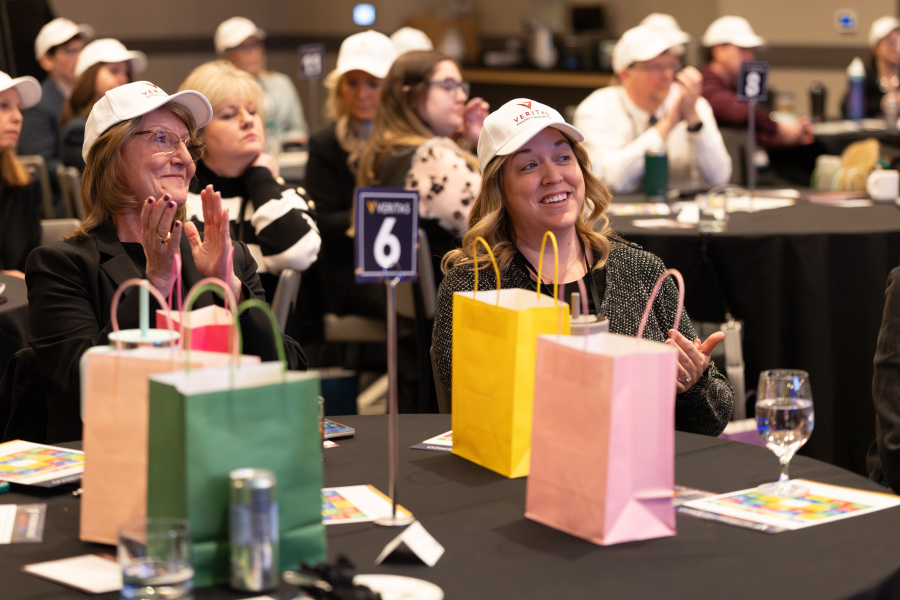
 Building a strong company culture is not only a competitive advantage; it’s also a top leadership priority for healthcare associations and the organizations that support them. While culture is often associated with employee engagement or workplace satisfaction, its impact extends far beyond that. It influences decision-making, strengthens collaboration, improves retention, and ultimately shapes the experience members, volunteer leaders, and strategic partners have with an organization. For healthcare associations, where success depends on trusted relationships, volunteer leadership, education, governance and member service, company culture is not simply an internal initiative. It is a strategic advantage.
At Veritas Association Management, we’ve seen firsthand how organizations with intentional cultures are better equipped to navigate change, solve complex challenges, and deliver exceptional experiences for their members. Just as importantly, we’ve seen how a healthy internal culture creates stronger partnerships with volunteer leaders. Physicians, researchers, and healthcare professionals volunteer their time because they believe in advancing their specialty. They want to work with teams that are responsive, collaborative, accountable, and genuinely invested in their success. The culture they experience from their association management partner directly influences the effectiveness of that relationship.
One common misconception is that culture develops naturally over time. While every organization has a culture, the strongest company cultures are built intentionally.
Leadership decisions, communication practices, professional development opportunities, and recognition programs all send powerful signals about what an organization values. When those signals are consistent, employees gain clarity, confidence, and a stronger sense of purpose. That consistency also creates confidence among volunteer leaders, who know they can rely on their management team to communicate effectively, solve problems proactively, and execute with excellence.
Intentional cultures also create better leaders. Investing in professional development, encouraging collaboration and empowering employees to contribute ideas builds an organization that can adapt and grow over time. Rather than waiting until someone is promoted into leadership, successful organizations create opportunities for employees to develop leadership skills throughout their careers. That investment benefits individuals, strengthens teams, and provides volunteer board members and committee leaders with experienced professionals who can guide discussions, anticipate challenges, and help move strategic initiatives forward.
Recognition also plays an important role. Celebrating innovation, collaboration, and process improvements reinforces the behaviors that help organizations succeed. Likewise, transparent communication helps employees understand how their individual work contributes to broader organizational goals. When people understand both the “what” and the “why,” they become more engaged, more accountable, and more invested in long-term success. Those qualities matter just as much to volunteers, who depend on a management team that follows through on commitments, communicates openly, and makes it easier for them to focus on advancing the association’s mission rather than managing operational details.
For association management companies, culture has another important benefit. The internal employee experience ultimately becomes the client and volunteer experience.
Teams that feel trusted, supported, and empowered are more likely to anticipate challenges, communicate proactively, and build productive relationships with both association staff and volunteer leaders. In healthcare association management, where long-term partnerships are built on trust and shared purpose, that difference is significant.
Building a culture of excellence doesn’t happen overnight, nor does it come from a single initiative. It is the result of thousands of intentional leadership decisions that create an environment where people can grow, contribute and succeed together. When organizations invest in their culture, they strengthen not only their employees but also the volunteers whose leadership drives the future of their associations.
Want to explore this topic further? Read Veritas CEO Sue O’Sullivan’s LinkedIn article, “The Culture Advantage: Why Great Organizations Don’t Leave It to Chance,” where she shares leadership lessons from more than 25 years in association management and reflects on how intentional cultures create stronger teams, stronger volunteer partnerships, and stronger organizations.